Epic Runs of North America - Book Review
Review: Epic Runs of North America
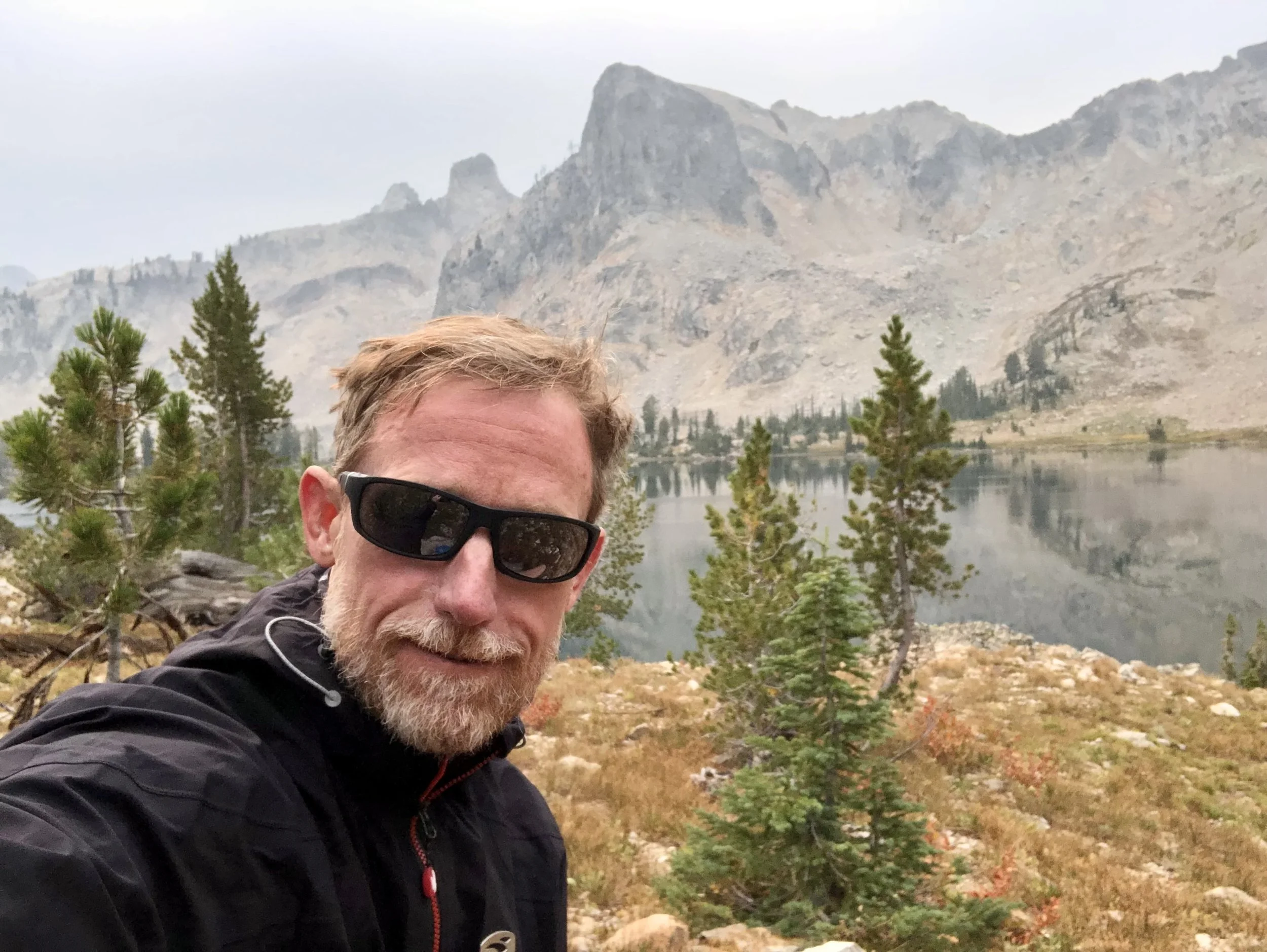
By Luke Tuttle, author of ultrarunningdestinations.com
I’ve spent years running in places most people never think about running. Not races. Places. Desert basins, national parks, barrier islands, mountain loops, and stretches of land where you can go hours without seeing another person. Through ultrarunningdestinations.com, I’ve documented these runs across the U.S. and internationally, often traveling specifically to experience a route firsthand. I’ve run in conditions that looked perfect on a map and turned out to be forgettable, and I’ve run in places I had no expectations for that ended up staying with me long after. Reviewing a book like Epic Runs of North America is really about one thing: whether it captures the places that leave a lasting impression on runners.
Looking for runs is one of my guilty pleasures. I’ll spend time scanning maps, reading trip reports, or noticing a ridgeline from a plane window and wondering if it connects. Every runner connects with the sport in their own way, and for me, part of the enjoyment has always been discovering new places through running. There’s a different satisfaction in finding a place where the run itself becomes the reason to be there. Books like this accelerate that process. They don’t replace discovery, but they help you recognize where to start looking.
What stood out immediately is how many of the locations align with the kinds of places that have stayed with me personally. Coastal runs, for example, are easy to underestimate. Miami Beach, early in the morning, before the heat builds, offers a long uninterrupted stretch where the ocean stays in view the entire time. Key West has a similar quality. You’re running at the edge of the continent, and there’s a finality to it. There’s nowhere further to go.
The book also reflects an understanding of the runs that carry meaning beyond scenery. The area surrounding Frozen Head State Park in Tennessee, where the Barkley Marathons are held, represents something deeper in ultrarunning. It’s not about access or convenience. It’s about terrain that demands respect. The National Mall in Washington, DC, might seem ordinary on paper, but running there offers something rare: continuity. No cars, no interruptions, just a long open corridor through one of the most historically significant places in the country.
Some of the strongest inclusions are in the American West. Idaho remains one of the most overlooked states for running. It offers scale, isolation, and terrain that feels untouched. White Sands in New Mexico is unlike anywhere else. The surface absorbs sound. Distance becomes harder to judge. The Grand Canyon stands apart even among world-class destinations. Running there forces you to think ahead. Every decision carries consequences. Hawaii brings a different kind of experience entirely. The terrain, the climate, and the isolation combine to create runs that feel self-contained.
What the book gets right is that great runs are defined by how they feel, not just where they are. It doesn’t overexplain or try to rank experiences. It simply presents them clearly, which allows the reader to imagine being there. That matters more than any elevation profile or distance metric for the 50 incredible runs documented in this book.
For runners who are naturally curious, this book serves as both validation and inspiration. You’ll recognize places you’ve been and identify others worth seeking out. It reinforces something I’ve learned over time: the best runs are often not the ones closest to you, but the ones that make you see a place differently.
Epic Runs of North America succeeds because it understands that running is ultimately about exploration. It reminds you how much terrain exists beyond your usual routes and how accessible those experiences can be with a bit of planning and curiosity. I recommend getting a copy because a simple question that every runner eventually asks: where should I run next.

Epic Runs of North America